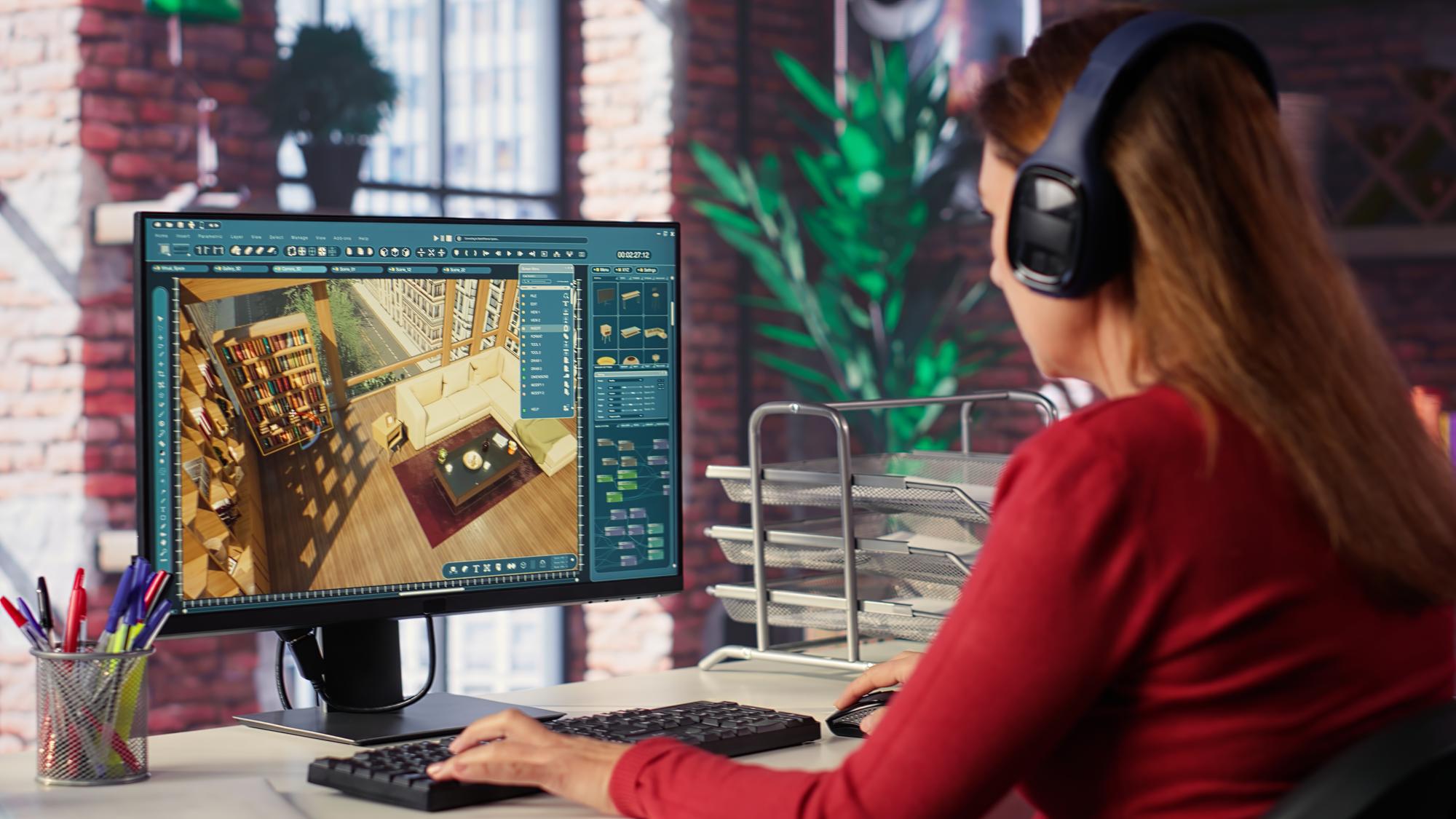
How can you succeed in online game design? It requires a deep understanding of mechanics, dynamics, and aesthetics, alongside strategic approaches. Whether designing for entertainment or profit, online game design relies on elements like rules, rewards, and player experience. This article explores key strategies and principles for online game design to captivate players.
Online Game Design
Online game design encompasses mechanics, dynamics, and aesthetics, creating an engaging player experience. Understanding these elements is crucial for designing games that attract and retain players.
1. Game Mechanics in Online Game Design
Game mechanics are the rules and systems defining player interactions, such as actions and objectives.
Solution: Design clear mechanics that outline player behaviors and goals.
2. Core Mechanics Support Design
Core mechanics form the foundation of the game, defining its genre and core experience, like running or jumping.
Solution: Choose core mechanics that align with the game’s genre and engage players.
3. Rules and Constraints in Design
Rules define what’s allowed or prohibited, while constraints shape player decisions.
Solution: Set clear rules that balance gameplay without frustrating players.
4. Progression and Rewards Enhance Design
Rewards give players a sense of achievement, encouraging continued engagement.
Solution: Implement a reward system that motivates players to keep playing.
5. Game Dynamics Drive Design
Dynamics arise from the interaction of mechanics and player choices, creating a dynamic experience.
Solution: Focus on dynamics that sustain player interest and engagement.
6. Player Agency in Online Game Design
Meaningful choices empower players, enhancing their sense of responsibility and investment.
Solution: Offer choices that impact game outcomes to boost engagement.
7. Feedback Loops
Feedback loops (visual or audio) inform players of their actions’ consequences.
Solution: Design clear feedback to enhance the gaming experience.
8. Challenge and Skill
Balanced challenges aligned with player skill levels maintain excitement.
Solution: Adjust difficulty to match player progression and keep them motivated.
9. Game Aesthetics in Design
Aesthetics include sensory and emotional experiences, like visuals and sound, that shape player feelings.
Solution: Use cohesive visual and audio designs that align with the game’s theme.
10. Audio and Visual Design
Sound effects, music, and visuals enhance immersion and evoke emotions.
Solution: Use engaging audio and visual effects that complement the game’s genre.
Online Game Design Strategies
With a solid grasp of game mechanics, you can apply strategies to improve design.
1. Inspiration Boosts Online Game Design
Drawing inspiration from successful games or media helps create innovative designs.
Solution: Study successful games and explore diverse sources for ideas.
2. Defining Core Elements
Define mechanics, dynamics, and aesthetics to ensure a cohesive player experience.
Solution: Focus on elements that align with your game’s vision.
3. Iterative Design in Online Game Design
Iteration refines game concepts through trial and error.
Solution: Iterate designs by testing various mechanics and settings.
4. Feedback Supports Design
Gathering player feedback reveals strengths and weaknesses.
Solution: Share game concepts with audiences and use their input to improve.
5. Player Persona
Creating personas with clear goals enhances player connection to the game.
Solution: Design characters that reflect player objectives and experiences.
6. Market Research
Market research identifies player needs and industry trends.
Solution: Conduct research to optimize your game and target audience.
7. Feedback Testing
Feedback testing through surveys or forums helps refine the game.
Solution: Use player feedback to make necessary improvements.
Conclusion
Designing online requires balancing mechanics, dynamics, and aesthetics with strategies like iteration and market research. By following these principles, you can create experiences that captivate players.